Week 1
This week’s practicum helped me more clearly understand that an educator is not a transmitter of knowledge, but rather a collaborator, listener, and observer alongside children. When I entered the classroom, I intentionally chose to begin with relationships. Through observation and interaction, I tried to understand what children were currently interested in, what they wanted to express, and how I could enter their curiosity as a starting point for connection.
1. Rebuilding relationships through curiosity
At the beginning of the week, children showed clear curiosity about my return. I realized that if I responded to that curiosity, I could rebuild relationships with children more quickly. I intentionally paid attention to what they were doing and talking about, and I entered conversations in familiar ways.
I noticed that when children realized I remembered their past interests, they appeared really happy and were more willing to share their ideas with me. For me, this was not a strategy, but a reminder that relationships are not separate from learning, they are the foundation of learning. When children are willing to offer their ideas, it shows that they feel seen, understood, and respected within the relationship.
2. From “listening to a story” to shared participation
During the first group time of this practicum, I read a book that I had shared with the children last semester. I was surprised to see that they remembered much of the storyline and were able to extend it with new ideas and imaginative thinking. This showed me the continuity of children’s learning, experiences are not simply finished after they occur, but are stored, revisited, and reactivated in new contexts.
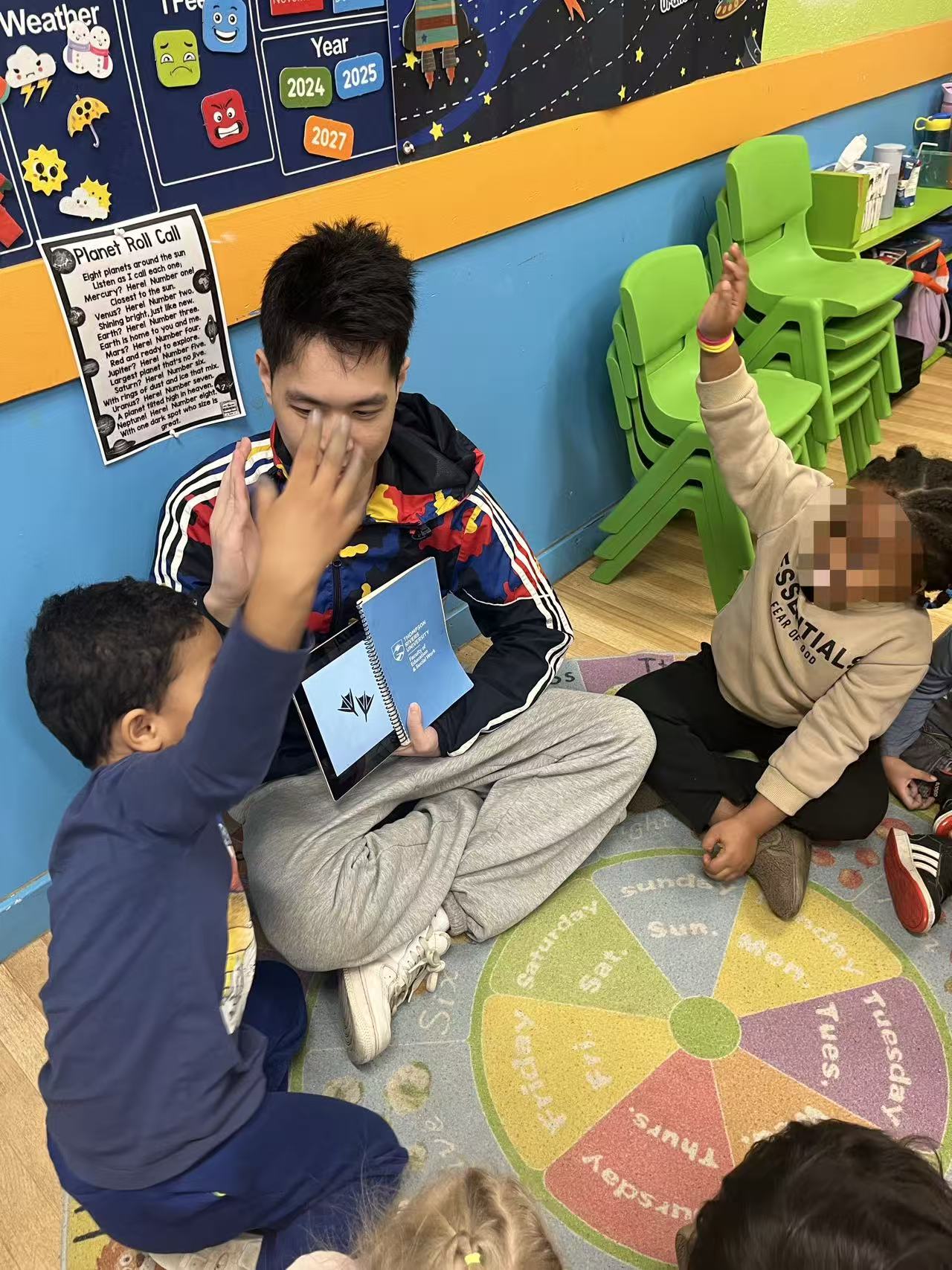
When I began reading a second book, I noticed that children’s attention started to drift. I used a Pikachu puppet to re-engage them and asked questions related to the story to encourage discussion. In that moment, I realized that the key to group time is not whether the book is finished, but whether interaction occurs. When children can contribute ideas, the story becomes a shared experience rather than one-directional input.
3. The invitation of the drawing ritual
I continued practicing my drawing ritual. I intentionally began by drawing what children were already doing, rather than inviting them to sit down and draw with me. For me, this represents respect, first entering their world, and then inviting them into a shared space.
Children became curious about what I was drawing, and naturally we began drawing flowers together. We discussed what colors different parts of the flower should be, and later built simple flowers using blocks. What stood out to me was that children shared these block flowers with others, and those children became interested in what had been shared. In this moment, materials were no longer simply tools or products, they became relational objects. Sharing led to attention, and attention led to new dialogue. Throughout the day, I revisited the topic of flowers with them. This reinforced my understanding that learning does not occur in isolation within individual minds, but is often generated through interaction, sharing, and co-construction.
4. Children repeatedly exploring “strong” through playing
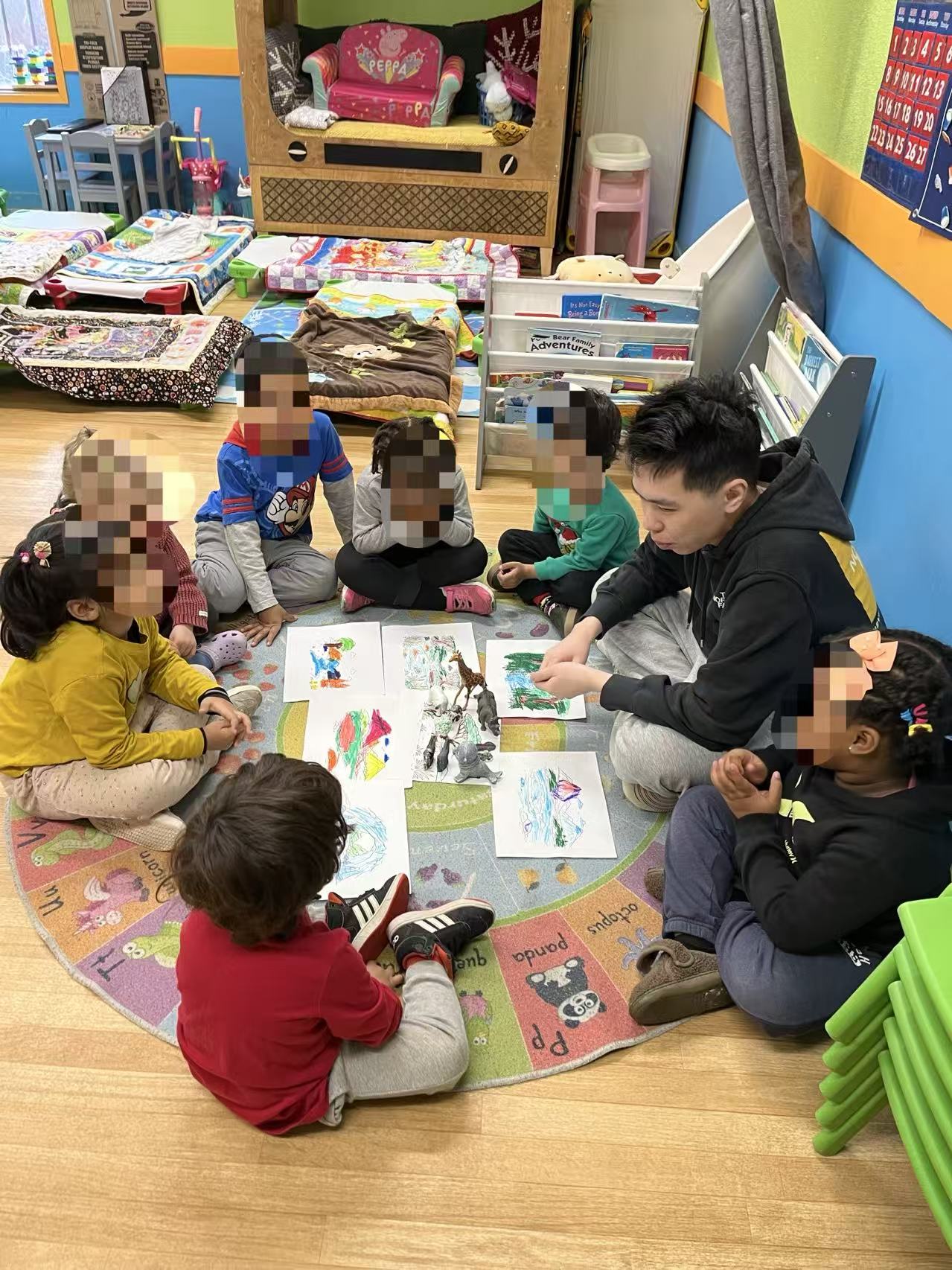
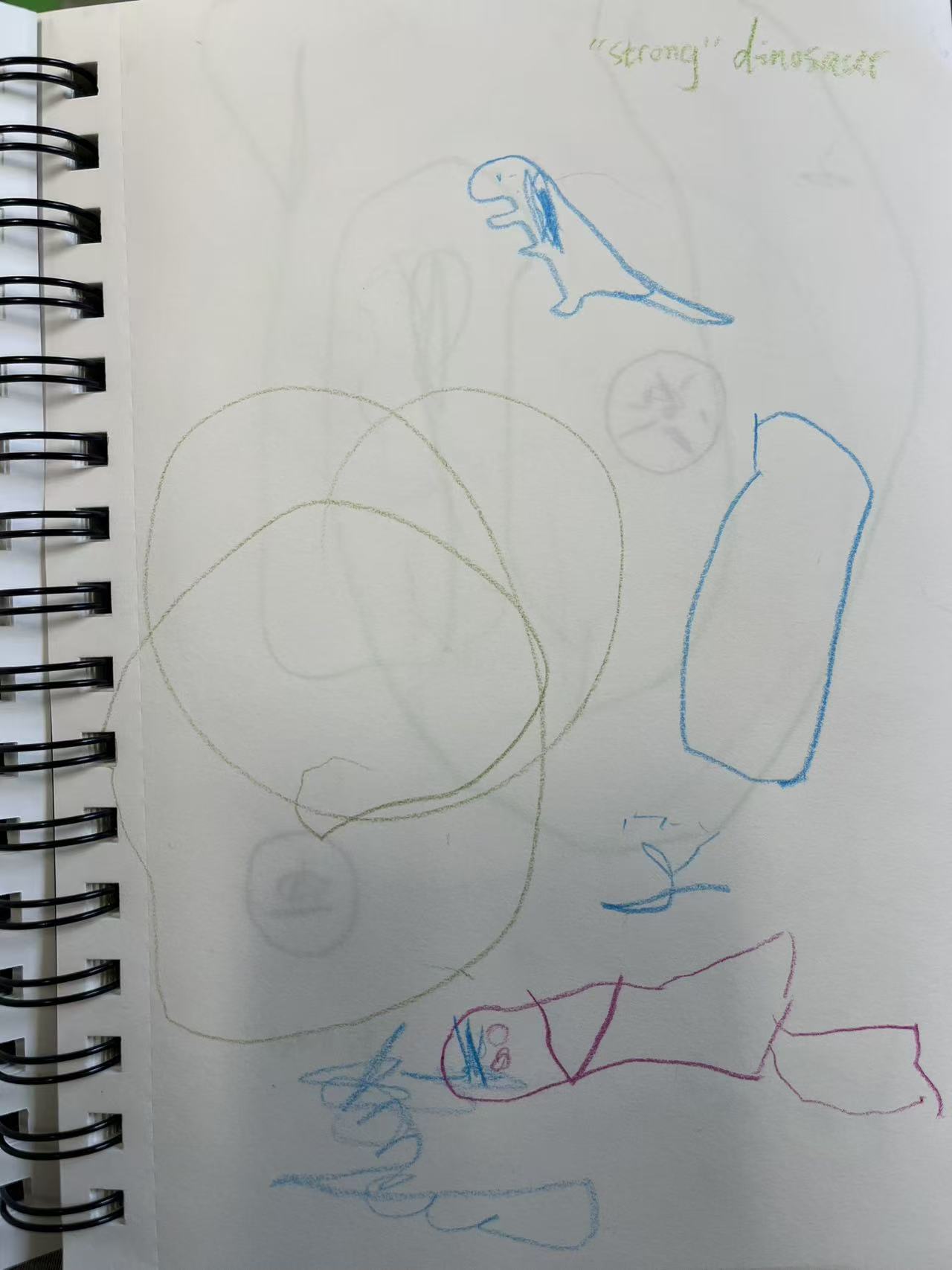
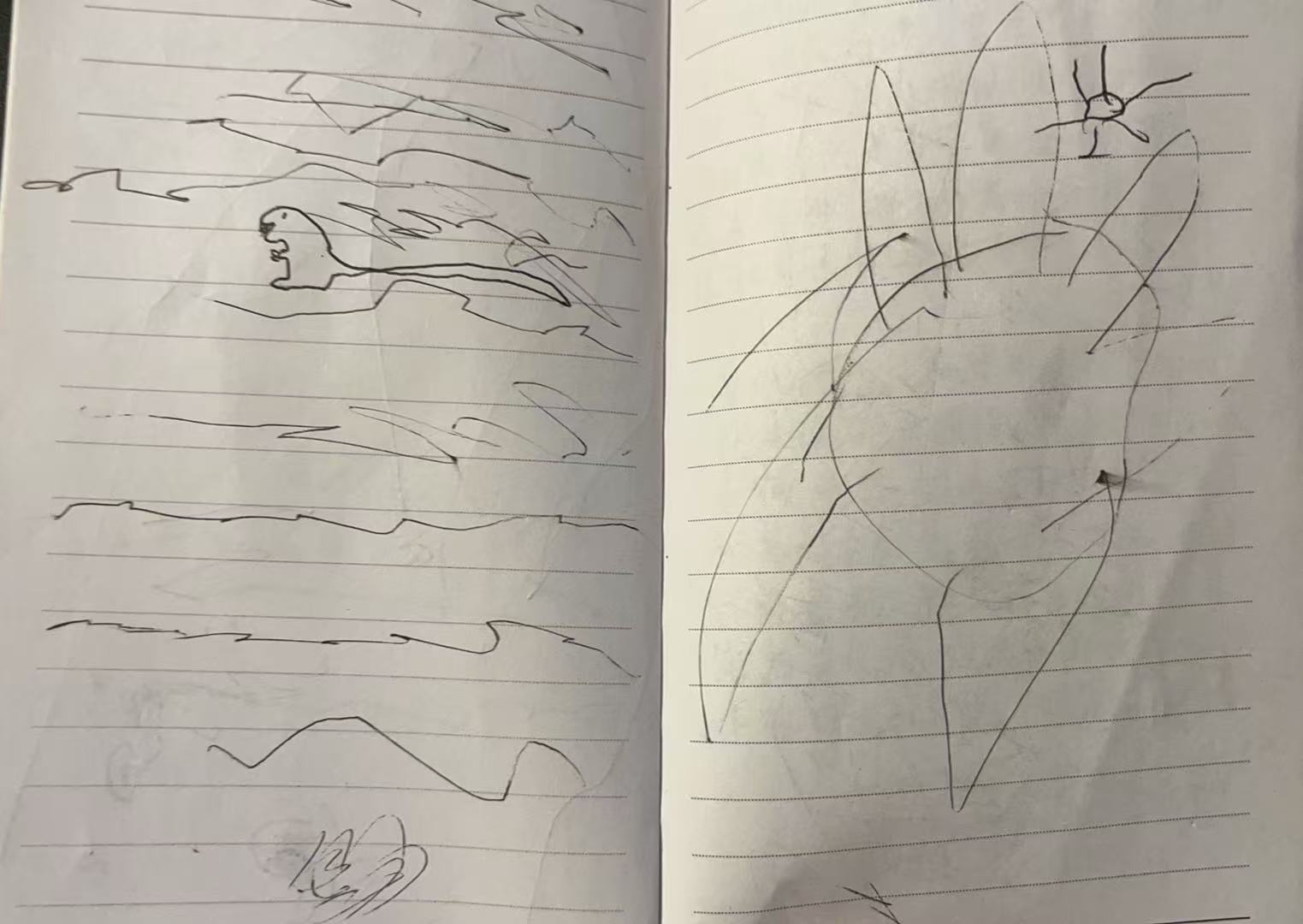
Through observation and conversation, I noticed that children frequently used the concept of “strong” during dinosaur play. I brought this idea into the drawing ritual and asked, “What makes a dinosaur strong?” Children drew sharp teeth and explained that being taller means being stronger, that having a longer tail makes you stronger, and that humans are weaker because they are smaller. These responses showed me that children are constructing their own working theories in order to understand the world.
Later, during race car play, children again used the word “strong,” equating faster speed with greater strength. This helped me realize that “strong” is not limited to dinosaur play, it may be a cross-context conceptual thread. Children were using the same idea across different materials and activities, suggesting ongoing meaning-making.
5. Building community through shared inquiry
I also noticed a challenge: during discussions, children often responded directly to the educator rather than sharing ideas with each other. Dialogue sometimes remained in a child–adult structure, rather than becoming child–child conversation.
This led me to consider my next pedagogical intention: to identify shared themes such as “strong” and design experiences where children can participate together, listen to each other, and exchange perspectives. For example, I might say, “Another child has a different idea than yours, what do you think about that?” In this way, I hope to encourage peer dialogue.
I believe this approach not only extends their inquiry, but also supports community-building. Learning can then become something we live and construct together, rather than something that exists as individual expression or teacher-led questioning.
6. Additional thinking
I also realized that I had not spent enough time sharing my observations and activity plans with my mentor earlier in the week. Later, I discussed my ideas, questions, and next steps with her, and she provided helpful suggestions. This reminded me again that early childhood education is a collaborative process. Educators must communicate, reflect together, and learn from colleagues and families.
Through these conversations, and through taking more initiative during group time and transitions, I have begun to feel my confidence growing. I hope to continue this process and step more steadily into the responsibilities of an educator.
Week 2:
1. Extending the inquiry of “strong” through a three-day sequence
Based on last week’s drawing and conversations, I noticed children often used the idea of “strong” in different play contexts (for example, dinosaurs and race cars). I felt that simply reading a story during circle time was not enough for active participation, so I planned a three-day activity sequence to invite deeper engagement.
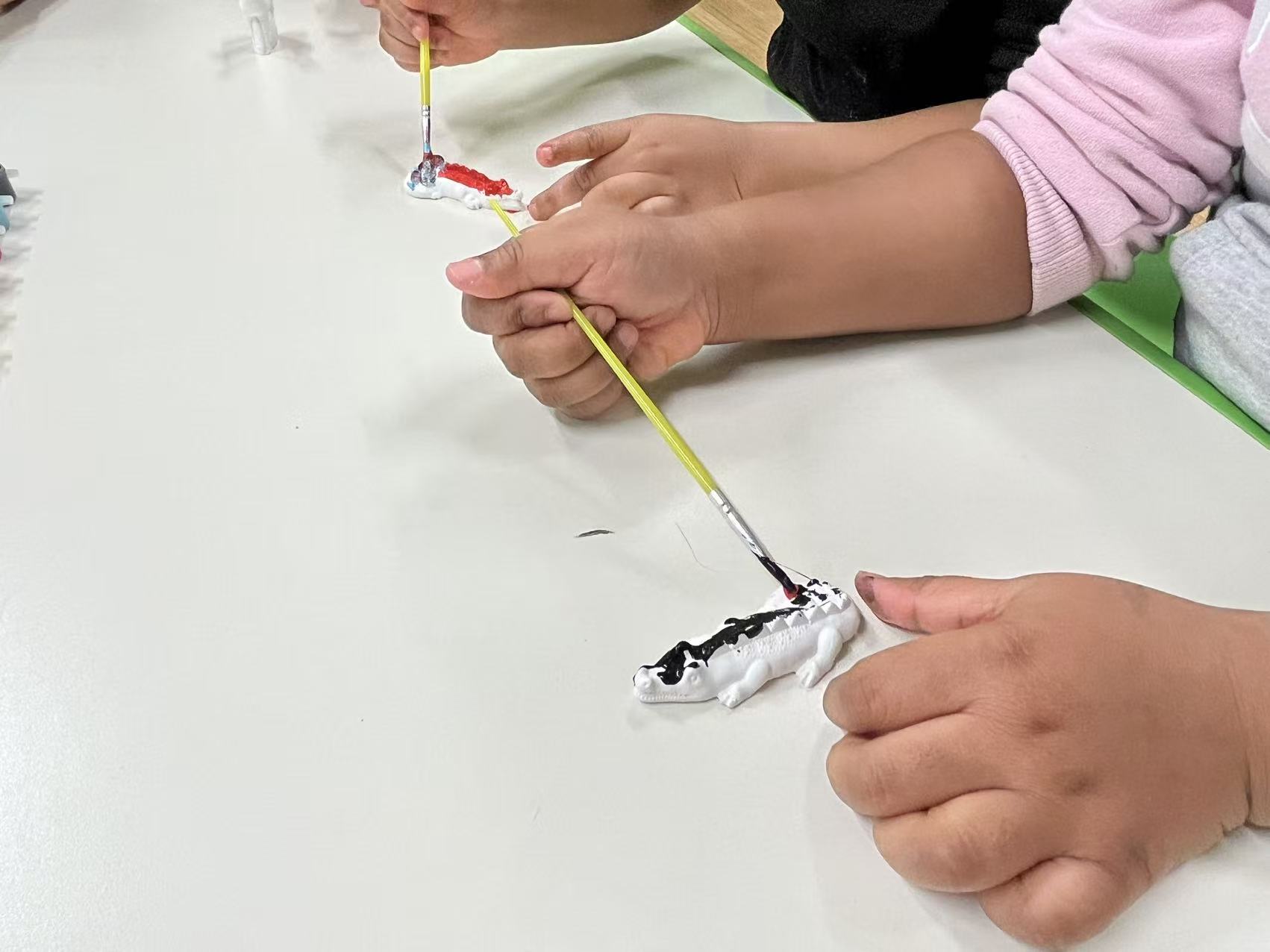
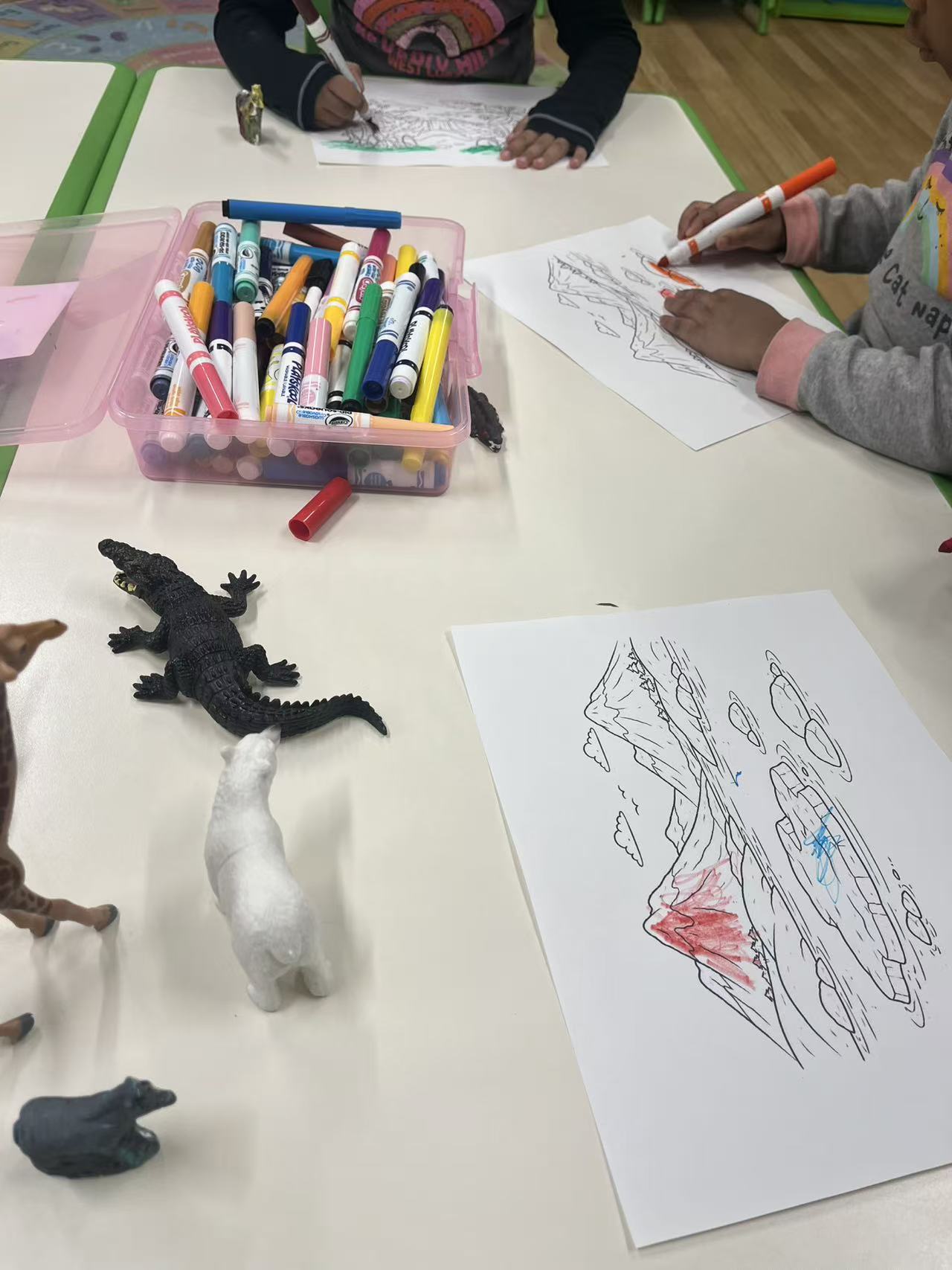
Day 1: Children coloured animals.
Day 2: Children coloured habitat maps.
Day 3: We used the coloured animals and habitats to co-create a story together.
During the story, I asked each child questions about the characters and events, and I encouraged children to respond to each other’s ideas. I was happy to see that some children began to share their thinking with peers, not only with me. In the BC ELF, pedagogical documentation is not only recording what happened, but planning next steps. It states that “Pedagogical narration is a process for planning with the intention of extending thinking and learning for both educators and children” (p. 95). This helped me see that my role is to revisit children’s ideas, design experiences, and extend inquiry over time.
At the end of the sequence, each child took a small animal toy home. My intention was to help children feel a sense of completion and to continue the story topic beyond the classroom.
2. Following children’s emerging inquiry: “ghost”
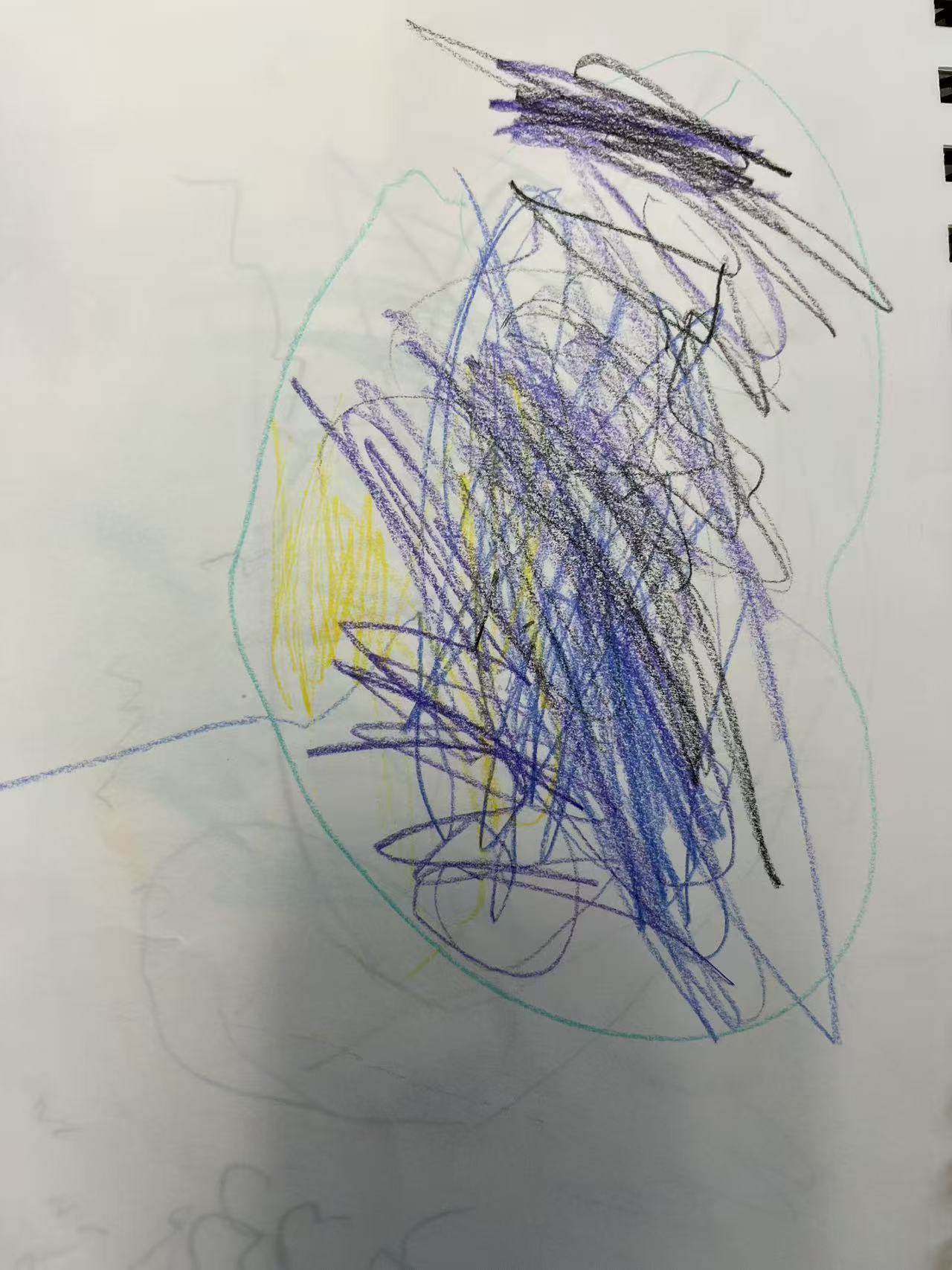
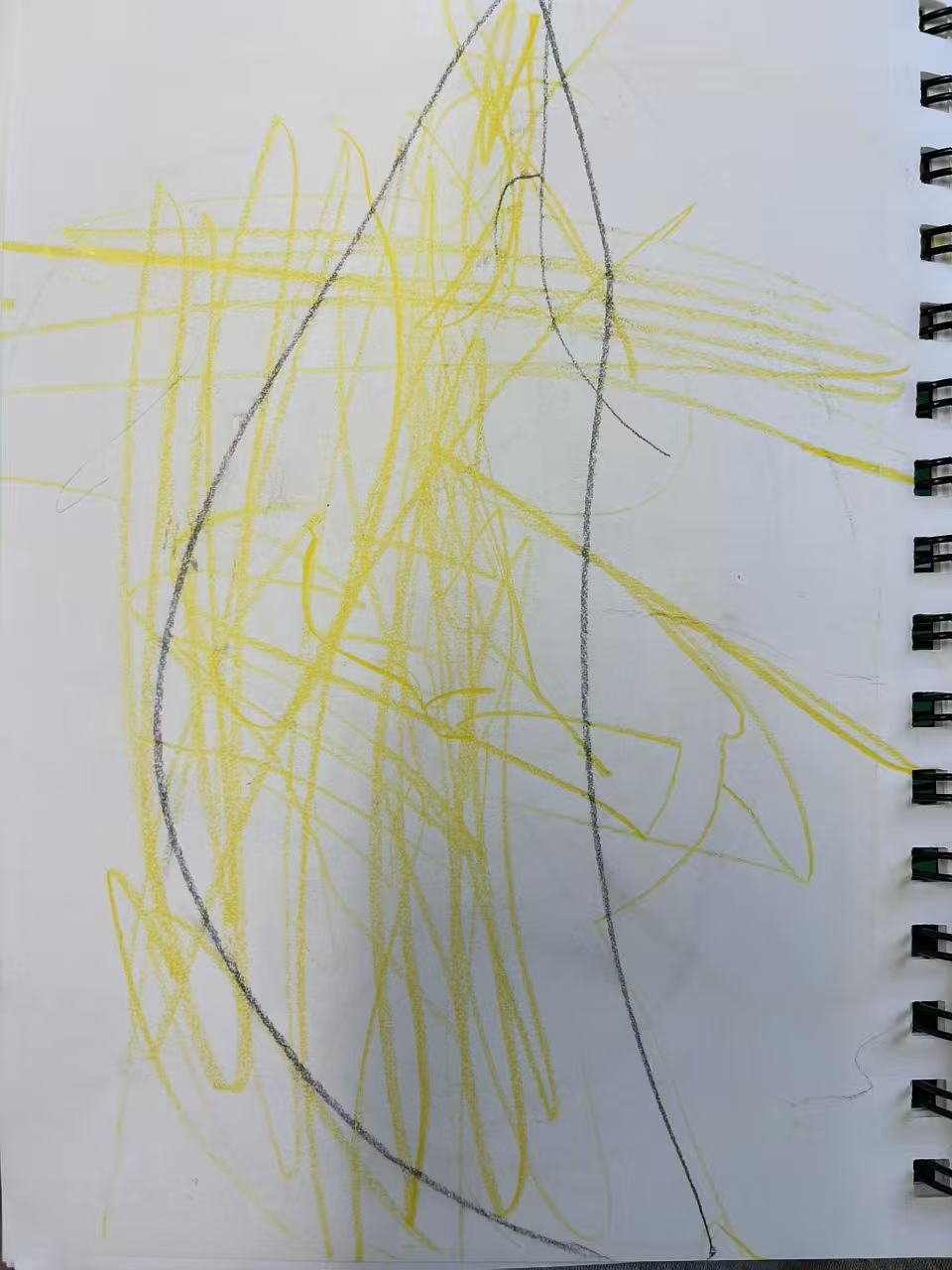
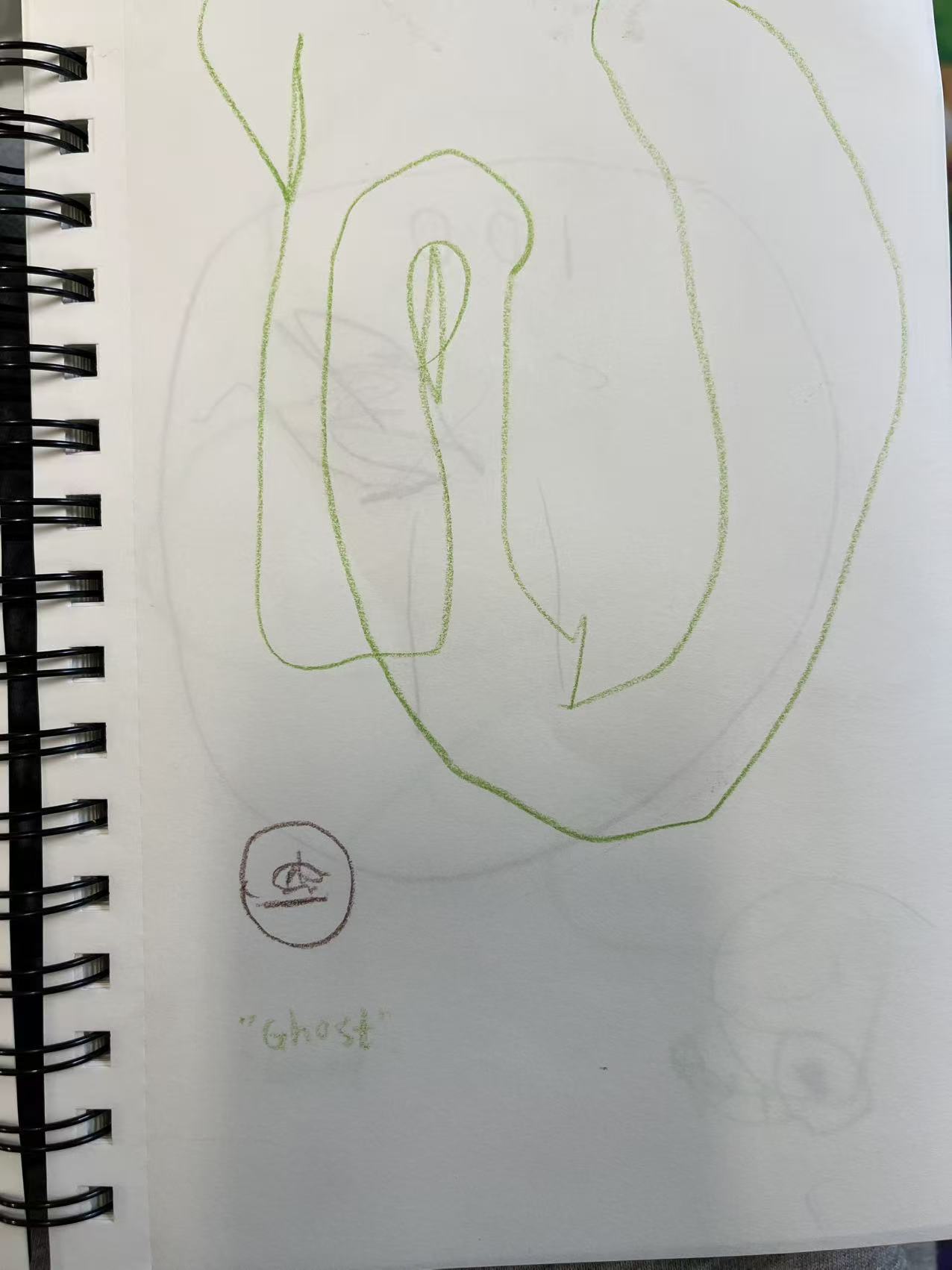
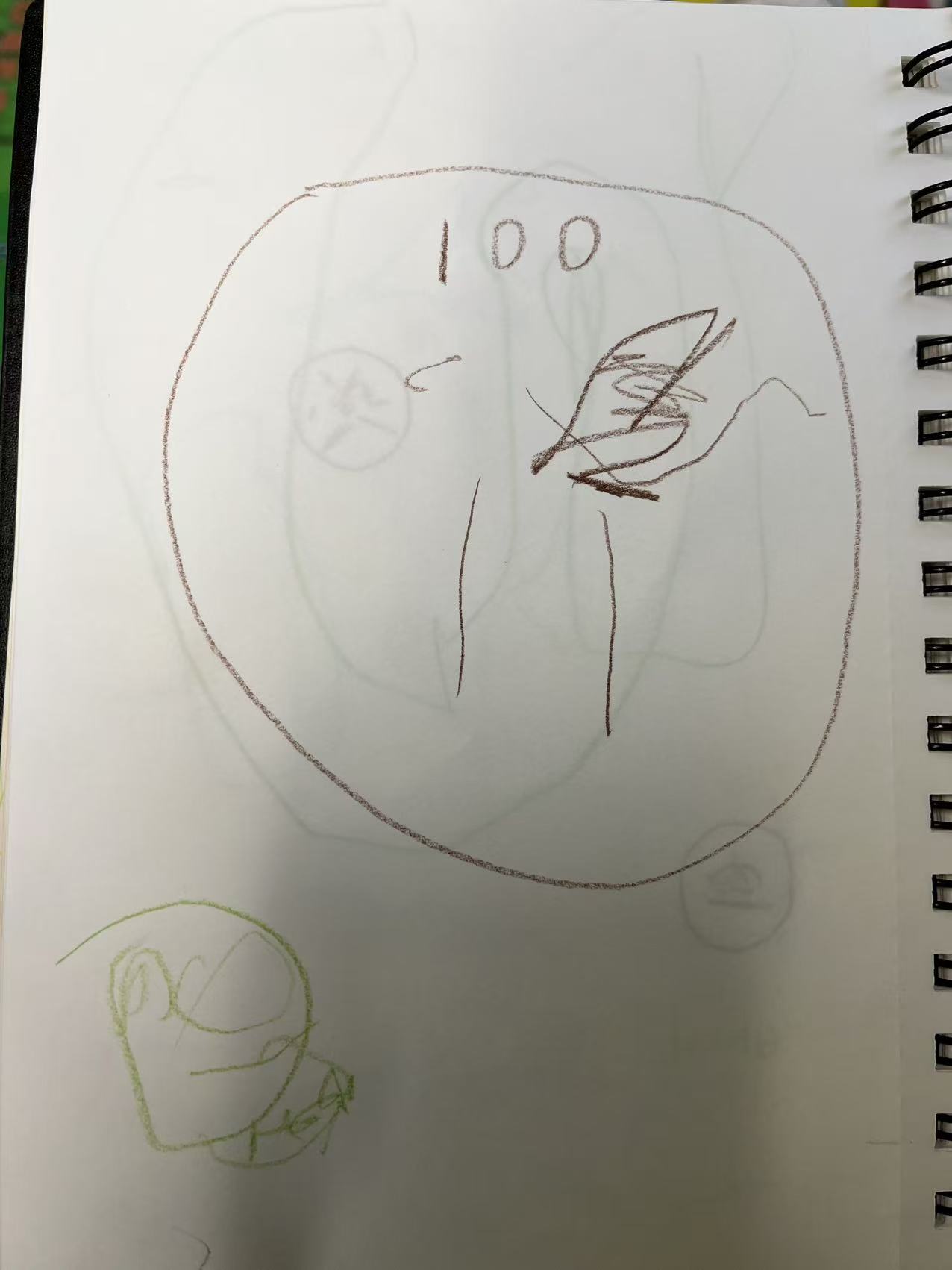
I also noticed a new interest emerging naturally. During an indoor-to-outdoor transition, two children talked about “ghost.” Later outside, another child pointed to a rock and said it was a “ghost.” Instead of redirecting the topic, I invited children to explore what a ghost might look like through drawing. Children created different representations (for example, a large circle shape, or a long thin body). I saw this as children expressing their own theories.
This connects to the BC ELF view of children as capable meaning-makers. BC ELF states, “Children are strong, capable in their uniqueness, and full of potential” (p. 15). By taking children’s ideas seriously, I supported their imagination while keeping the inquiry open through conversation and documentation.
3. Negotiation and community-building in outdoor play
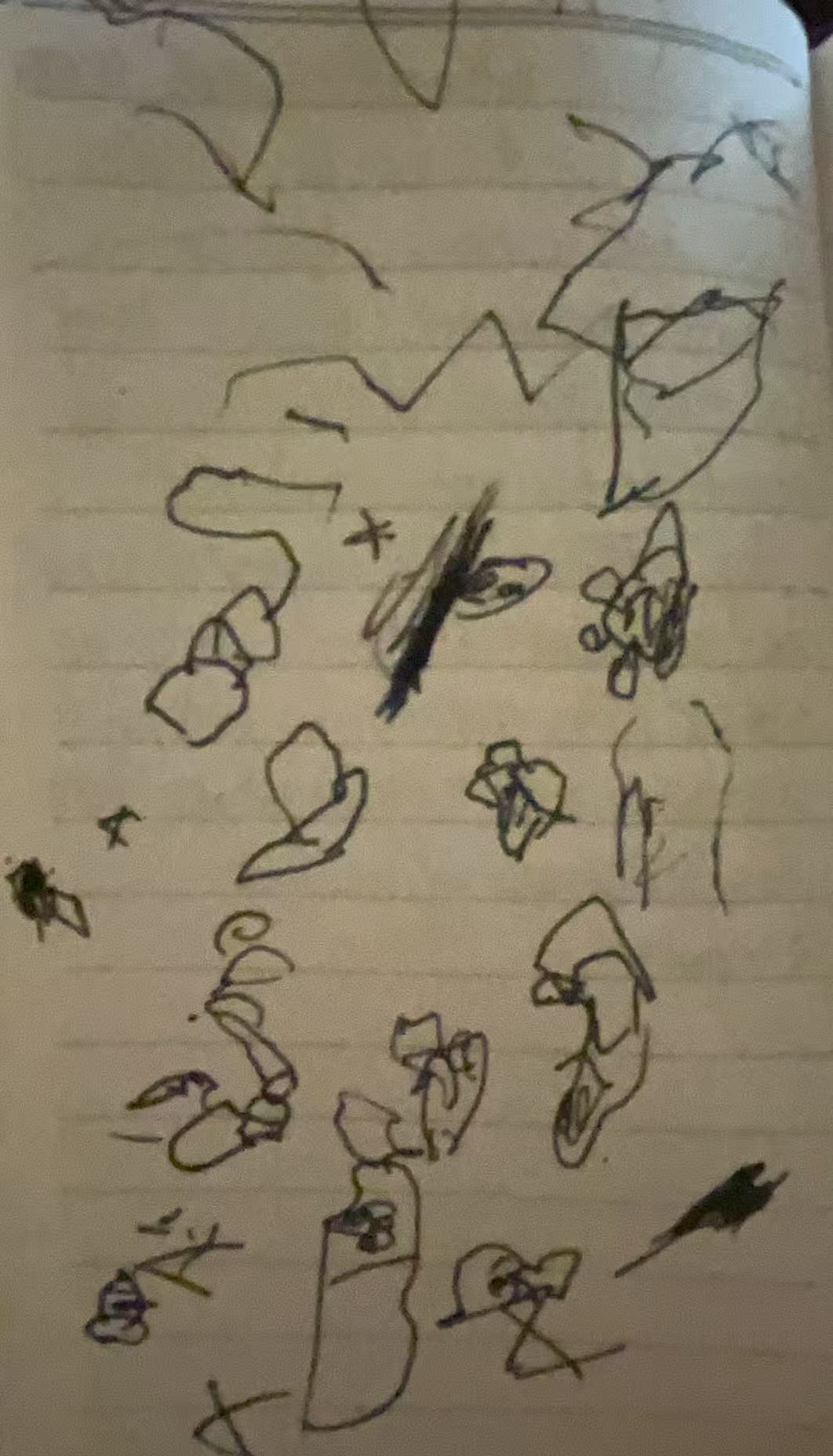
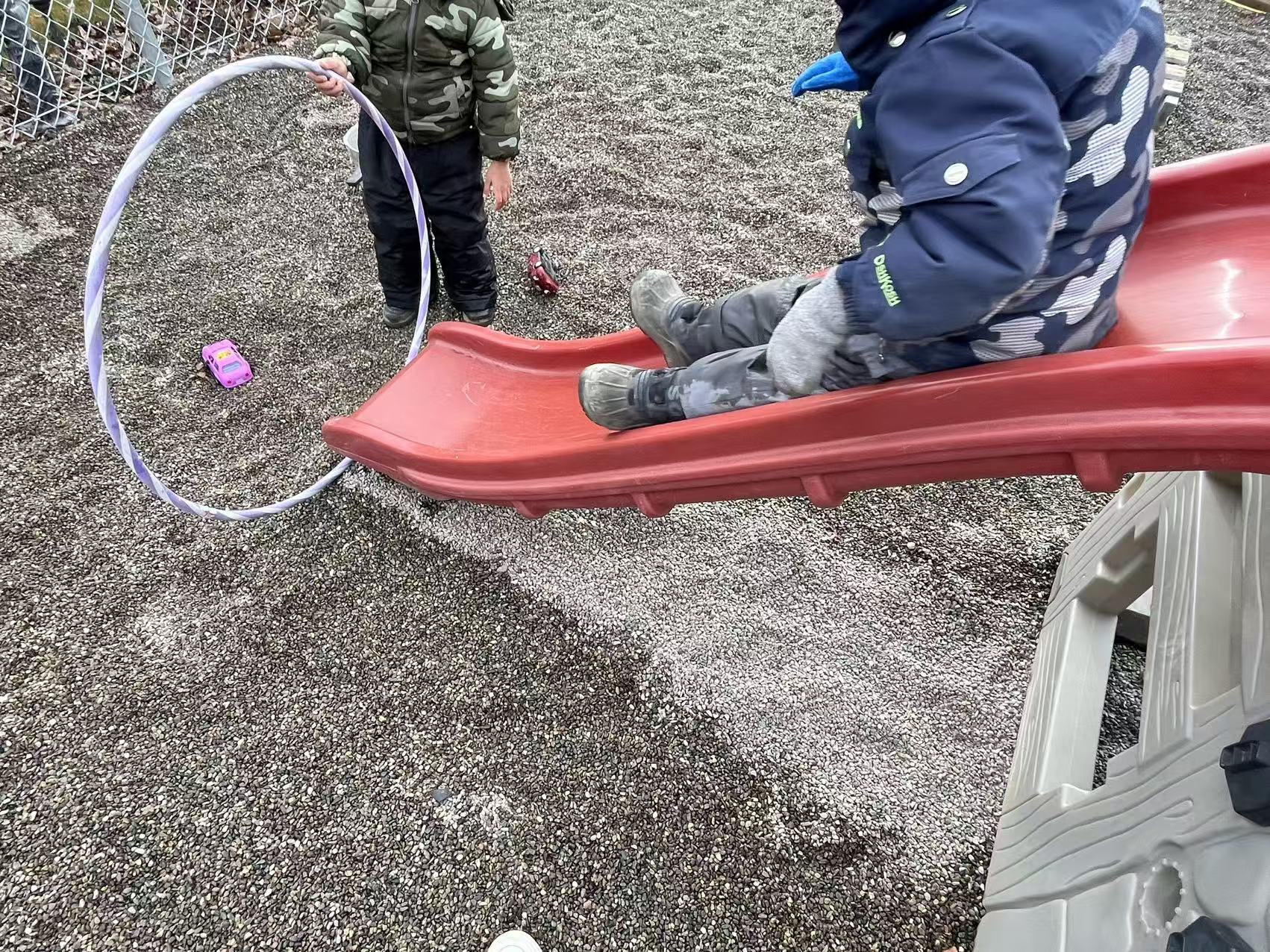
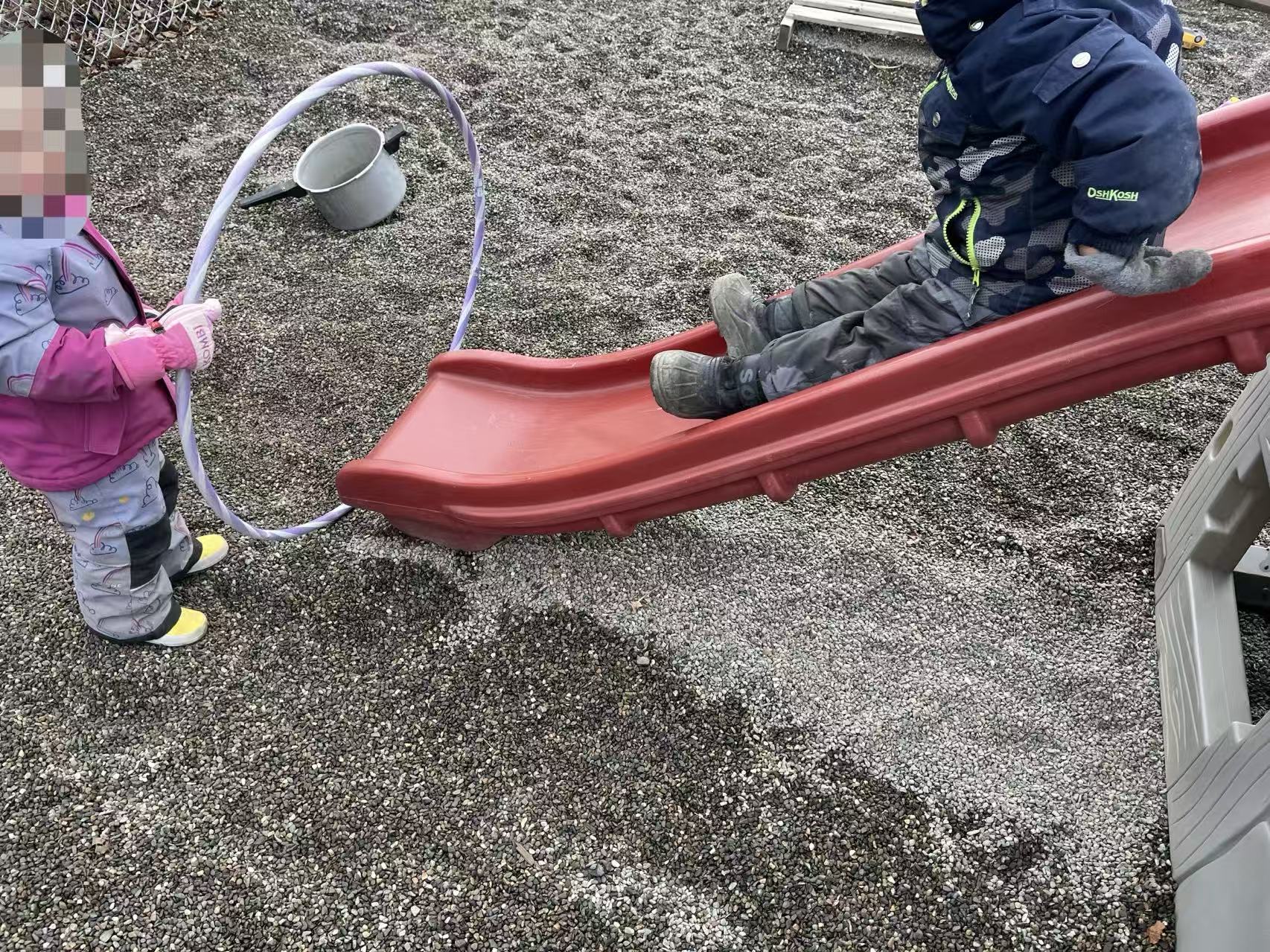
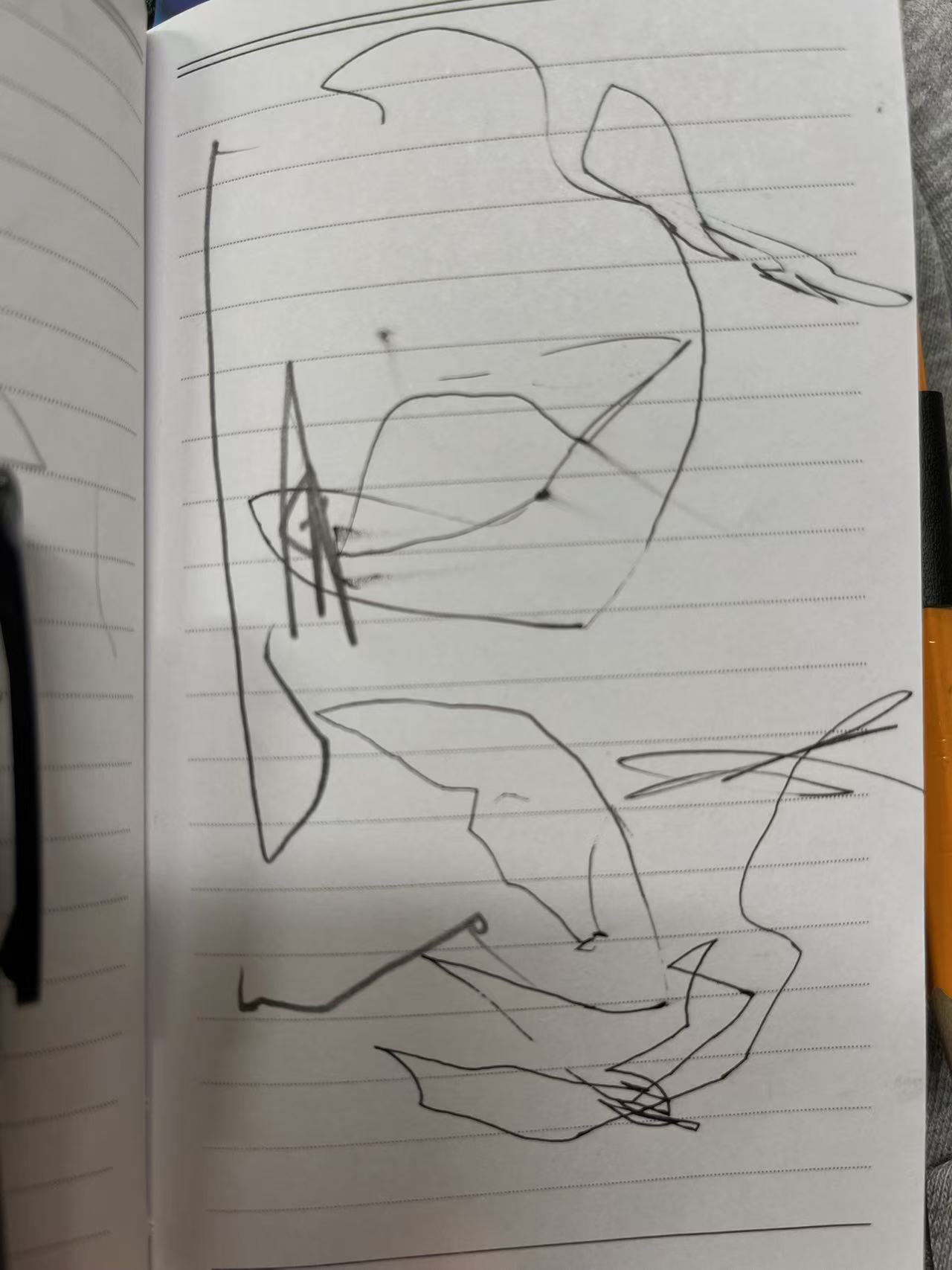
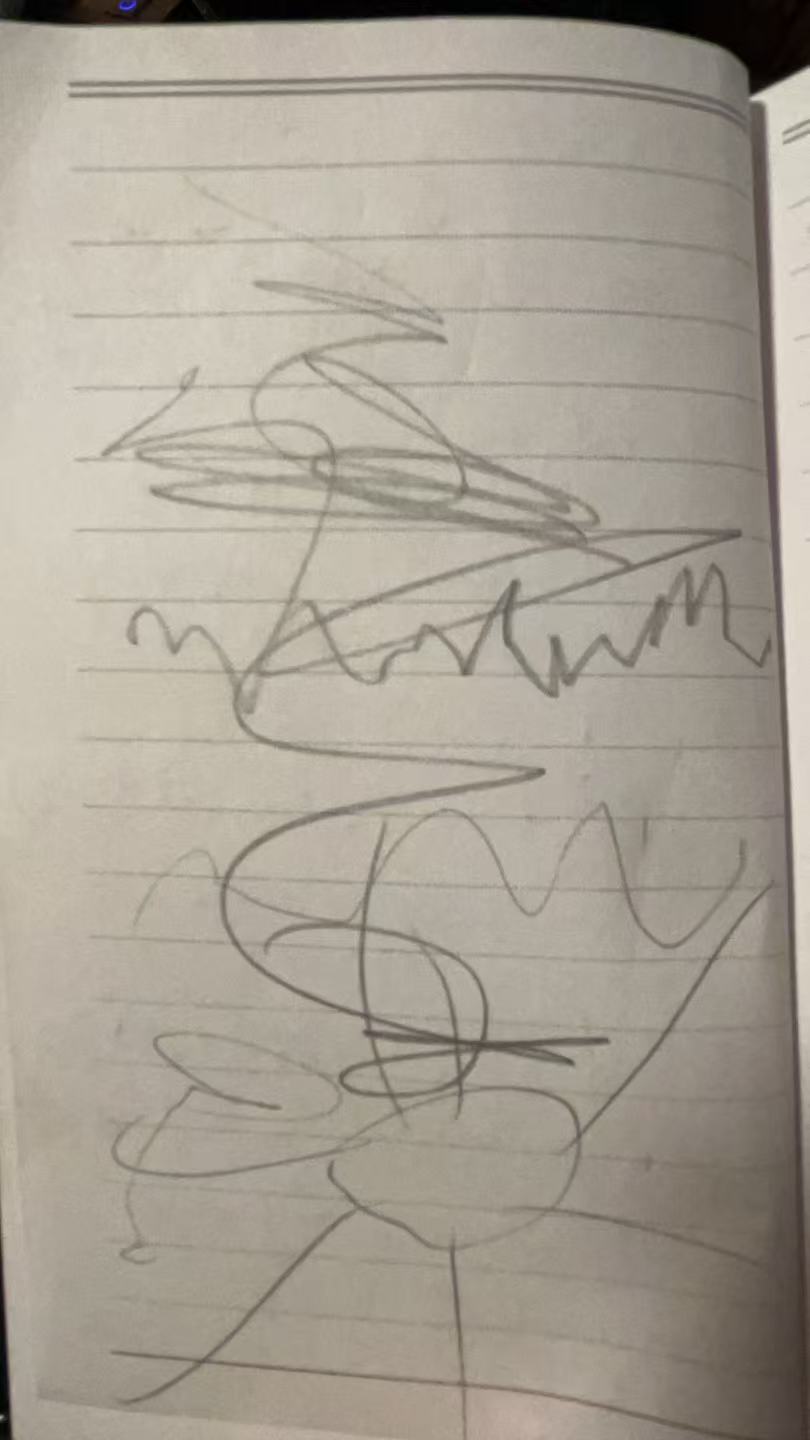
This week also included several moments of relationship-building and social learning. During outdoor play, I organized a slide game with children. We negotiated the order of turns and decided who would be the “leader” holding the hula hoop at the end. In another situation, one child found a coin, and another child wanted it. I supported them to talk and negotiate a sharing plan. Later, the child wanted to find “his own coin,” so I searched with him. Afterward, we drew the child’s “dream coin” in my notebook to extend the idea.
These moments reminded me that learning is deeply connected to relationships and belonging. The BC ELF states, “Relationships are the context for well-being and learning” (p. 25). Through negotiation, turn-taking, and shared problem-solving, children practiced social responsibility and peer connection.
4. Reflection and Next Steps
This week, I was more proactive than last week in planning connected and continuous activities. I was also more aware of noticing children’s interests across different contexts. I see that inquiry is not always a teacher-led theme, but something that naturally emerges through everyday interactions.
At the same time, I realized that my confidence is growing when leading circle time and facilitating outdoor negotiations. Confidence does not appear suddenly, it is built gradually through repeated practice, adjustment, and reflection.
In the future, I hope to continue planning meaningful experiences based on children’s emerging interests and to intentionally extend their inquiries over time. And take more initiative in leading circle time and transitions in order to strengthen my confidence and further develop my professional responsibility as an educator.
Week 3
1. Listening to children’s experiences and interests
In my everyday interactions with children, I intentionally take time to talk with them and learn about their daily experiences, such as what they did at home, what they noticed, and what they have been thinking about. I have observed that when children feel genuinely listened to and acknowledged, they become more willing to share their stories, ideas, and experiences with me over time.
Through these ongoing conversations, our relationships gradually develop and deepen. When children feel that their ideas are respected and valued, they gain greater confidence in expressing their thoughts and perspectives.
BC ELF (2019) “Children are listened to and valued for their ideas and knowledge.” (p.12).This highlights that attentively listening to children’s experiences and perspectives is an important way to build trust and meaningful connections.
“Relationships are the context for well-being and learning.” (p.15). Through ongoing dialogue and communication with children, I can develop stronger trusting relationships that support children’s well-being and learning.
2. Taking children’s curiosity seriously: superheroes and “strong”
One day, the children began talking about superheroes. During this conversation, we returned to the concept of being “strong,” . This time, the children connected being strong with the ability to fly, jump higher, and have special powers. Seeing this idea appear again helped me realize that children’s interests are not isolated or temporary, rather, they continue and evolve across different experiences and conversations.
Taking children’s curiosity seriously means recognizing them as capable thinkers. They are not passive recipients of knowledge but active participants who construct their own understanding of the world through interactions with peers, materials, and their environment. Through their conversations about superheroes and strength, the children were exploring different meanings of power and ability in imaginative and meaningful ways.
When educators pay attention to and respond to these recurring interests, we can support deeper inquiry and create opportunities for children to further explore their ideas. In this way, children’s interests can become important clues for curriculum development, guiding educators to design experiences that extend and deepen children’s learning.
3. Exploring animal footprints through play, comparison, and art
I organized a footprint matching game. Children were invited to guess which animals matched different footprints.
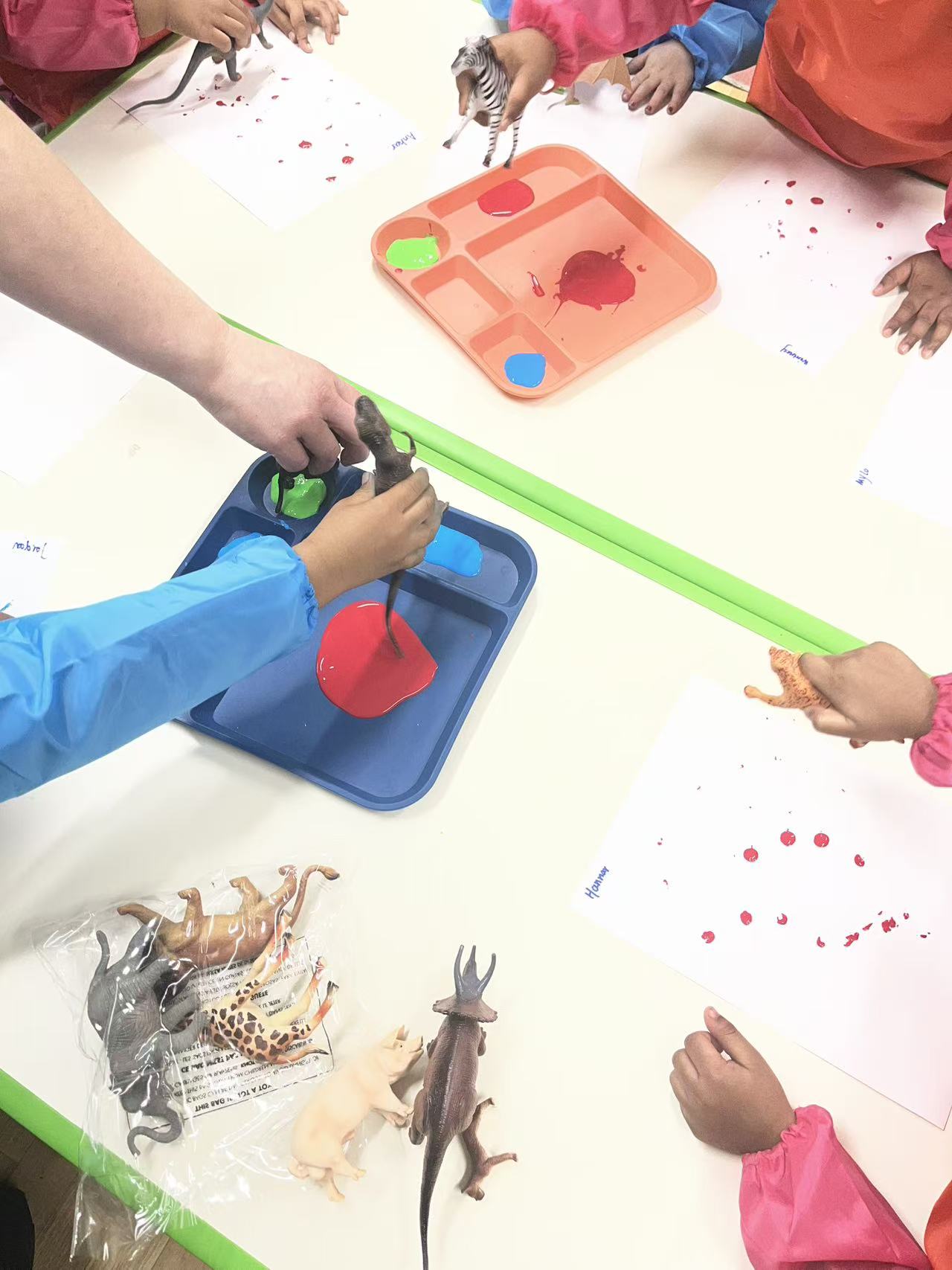
As we explored the footprints together, children began to notice that different animals have very different sizes of footprints. We talked about how dinosaur footprints might be much bigger than other animals. One child pointed to a large footprint and said, “This one is big like a T-rex.” Another child compared it with a smaller footprint and said, “This one is tiny, it is bunny.” Later, during an art activity, children used animal toys dipped in paint to stamp footprints onto paper. A child began pressing the animal toys more strongly onto the paper. She said she wanted the footprint to look “strong.” Through this process, children were not only exploring animal footprints but also revisiting their earlier inquiry about what it means to be strong. That helps me think again that children communicate ideas using many different languages such as movement, drawing, materials, and play. Through movement, materials, and experimentation, children were expressing their thinking about animals, footprints, and strength.
4.Extending the idea of “strong” through drawing and working theories
During the drawing ritual, children returned once again to the idea of strong dinosaurs. One child suggested that strong dinosaurs are very big, so they might need a bigger mountain to live on. Other children then drew different mountains. Some drew mountains that were tall, while others drew shapes that were wide or curved.
As the conversation continued, another child connected this idea to the sun, suggesting that dinosaurs might need a bigger sun so that they could live better.
This moment felt important because children were no longer only describing the dinosaur’s body. They were beginning to think about the environment a dinosaur might need in order to survive. Their thinking moved from “What does a strong dinosaur look like?” to “What kind of world does a strong dinosaur need?”
This experience also showed me how deeper thinking can emerge when children are given opportunities to revisit ideas over time. When we repeatedly returned to the concept of “strong” through drawing, conversation, and play, children began to extend their thinking and connect new ideas. BC ELF (2019) “Pedagogical narration is a process for planning with the intention of extending thinking and learning for both educators and children.” (p.95). Through this process, children were not only expressing ideas but also thinking together and developing more complex understandings. Their thinking also inspired me to reflect more deeply.
5. Imagining life with a dinosaur through story and creation
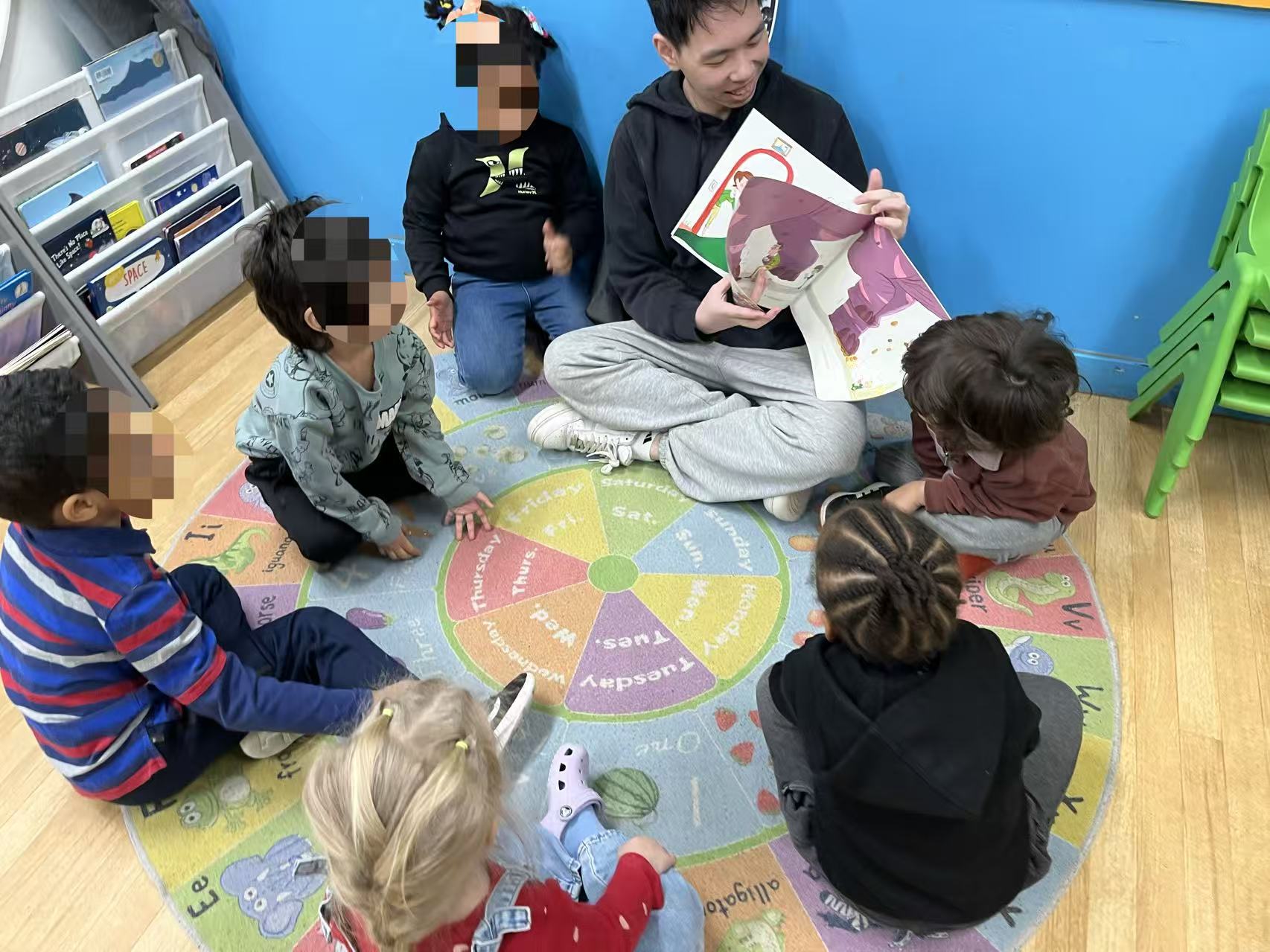
I shared the book If You Happen to Have a Dinosaur with the children. During circle time, children became curious and began imagining what it would be like if they had a dinosaur of their own. Some children suggested that a dinosaur could go swimming with them. Another child connected the conversation back to the idea of “strong.” He said that he wanted to have a dinosaur because dinosaurs are strong.
I asked him, “What could the dinosaur do?” He answered that because the dinosaur is strong, it could protect him and help him. I think this shows that after discussion the book, children connected strong with more factors, they link it to relationship, protection.
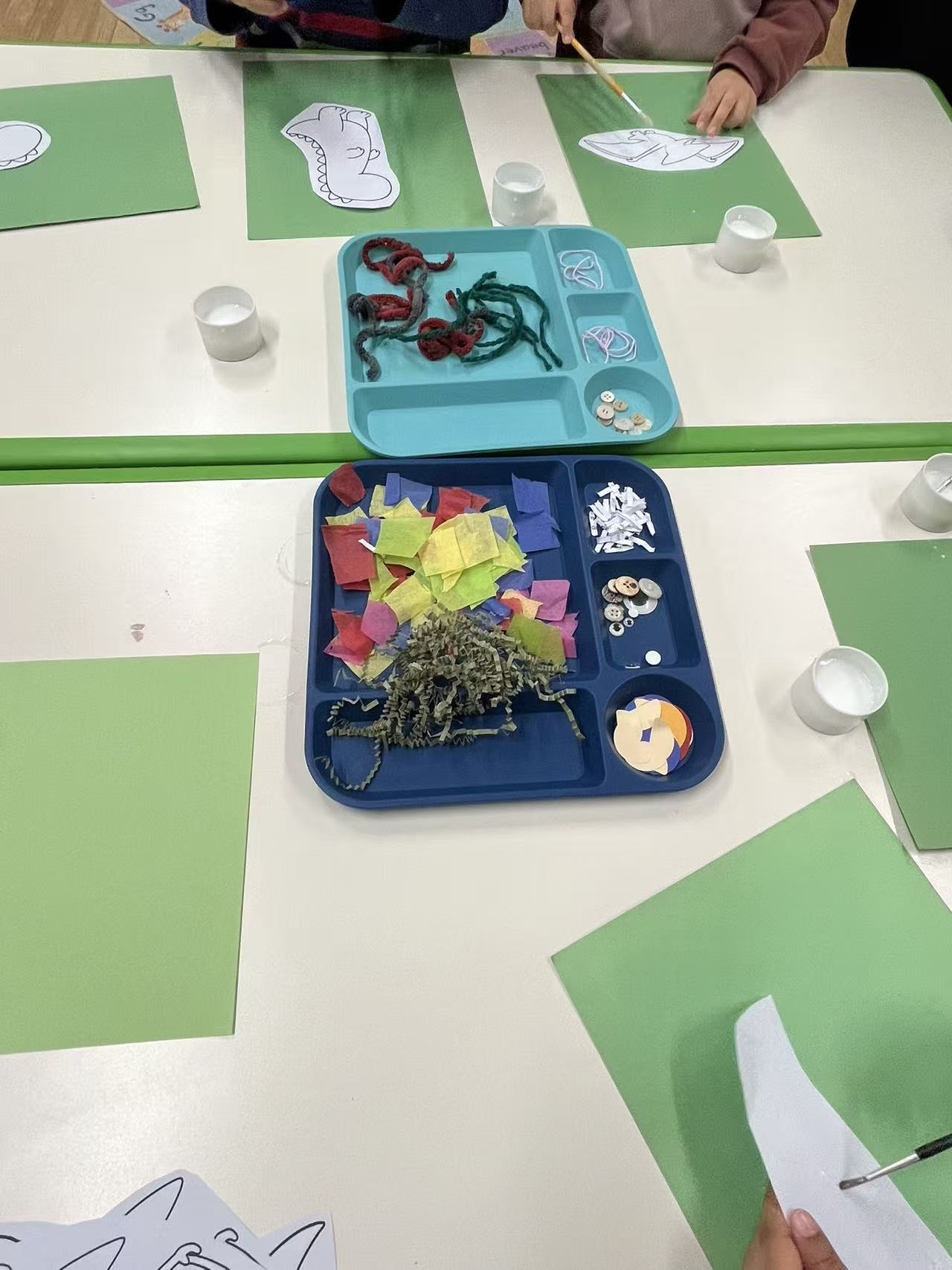
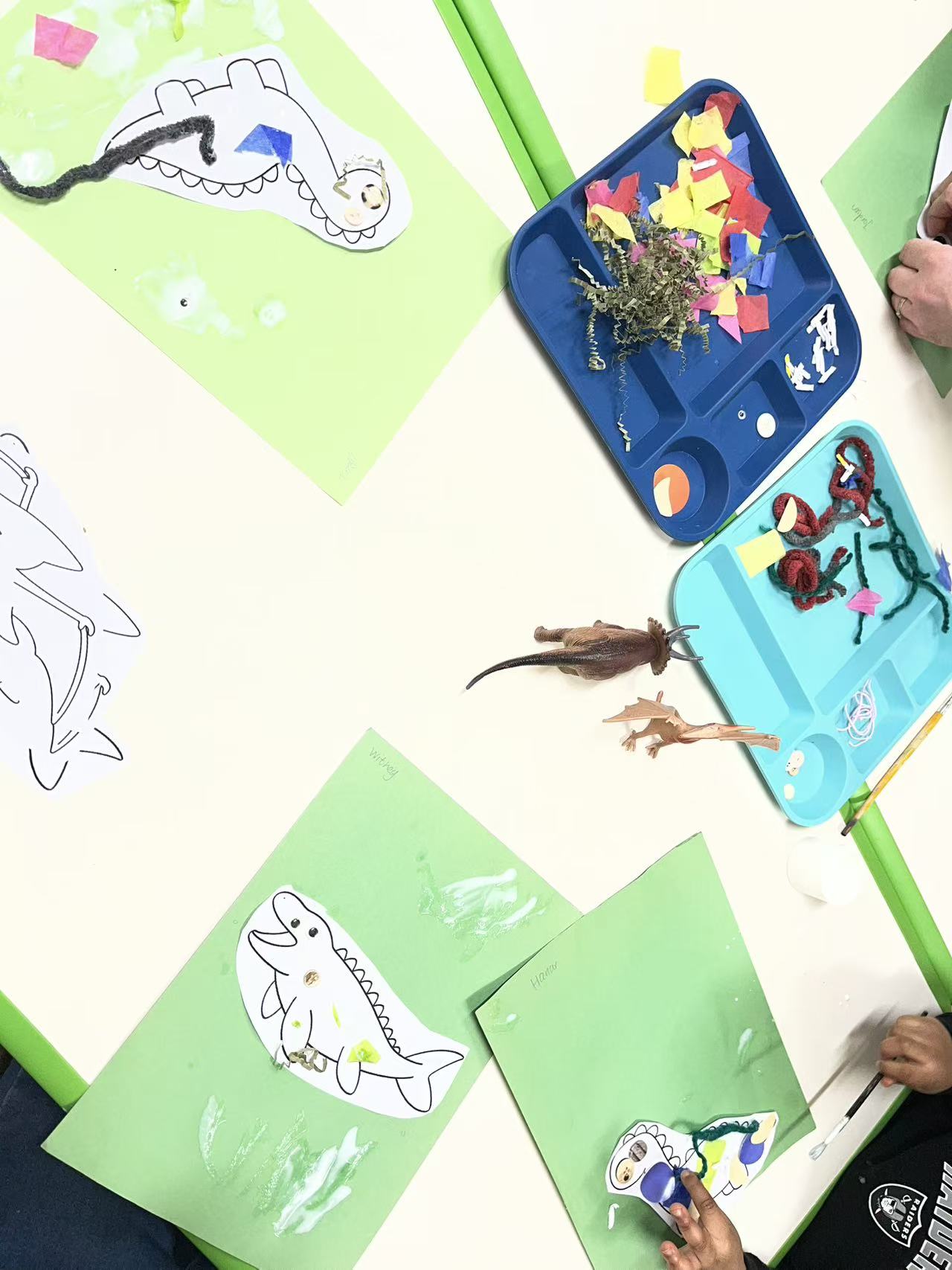
After the story, we moved into an art activity where children were invited to create their own dinosaurs using different materials. As I reflected on earlier circle time experiences, I became more aware that my questions can sometimes unintentionally guide children’s thinking and lead their ideas in a certain direction. This time I let myself become a listener and collaborator. children began making their own choices and extending their own ideas. Some children said they wanted their dinosaurs to have different colors bodies, while others suggested giving them sharper claws. This reminded me that when children are given more space, they often bring forward creative and meaningful ideas on their own. Instead of leading children toward one expected outcome, I am learning to create space for their ideas to emerge and grow. BC ELF (2019) “Educators are researchers and collaborators.”(p.15). Collaboration sometimes means listening more, intervening less, and trusting children’s own thinking.
6. Next step
I would like to continue planning meaningful experiences based on children’s emerging interests and to revisit their ideas over time so that inquiry can deepen across different activities and conversations.
In addition, I hope to continue reflecting on how my questions and responses shape children’s thinking. I want to listen more carefully, allow more space for children to lead the direction of discussions.
When I encounter different ideas in practice or feel unsure about how to respond, I would like to continue discussing them with my mentor. By sharing my observations, thoughts, and activity plans with my mentor, I can think about these situations from different perspectives and receive helpful suggestions. I also hope to be more intentional about engaging with children’s activities and conversations, so that my voice and participation can be more present in the classroom.
Week 4
1. From Animals’ Bodies to “Intelligent Strength”
This week, I continued exploring the theme of “strong” with the children. Previously, we had discussed how different parts of animals’ bodies help them become strong, such as sharp teeth or strong legs and claws. In order to further extend the children’s interest, I chose the picture book The Gruffalo as a new entry point for our exploration.
During the story, we observed and discussed the physical characteristics of the Gruffalo together. The children noticed that it has a huge body, sharp teeth, and scary claws, which make it look very strong. However, when discussing the characters, one child said they preferred the mouse because the mouse is very clever. The children began discussing how the mouse used its intelligence to scare away other animals.
This conversation made me realize that the children were beginning to rethink the meaning of “strong.” For them, being strong does not only mean physical power; it can also mean being smart, resourceful, and able to solve problems. Their understanding reminded me of the idea presented in the BC Early Learning Framework: “Children are strong, capable in their uniqueness, and full of potential. (p.15)” During the discussion of the story, the children were not simply accepting the story. Instead, they actively shared their own interpretations and theories, rethinking what “strong” means from their own perspectives.
2. From “Strong Animals” to “Strong Environments”
Last week during our drawing ritual, the children had already begun imagining the environments where strong animals might live, and they drew elements such as the sun and mountains. This week, we discussed more details about these environments. One child mentioned that there must be many trees near strong animals, and the children began talking about the details of these trees. We then started focusing on what strong trees might look like in the environment where a strong animal lives.
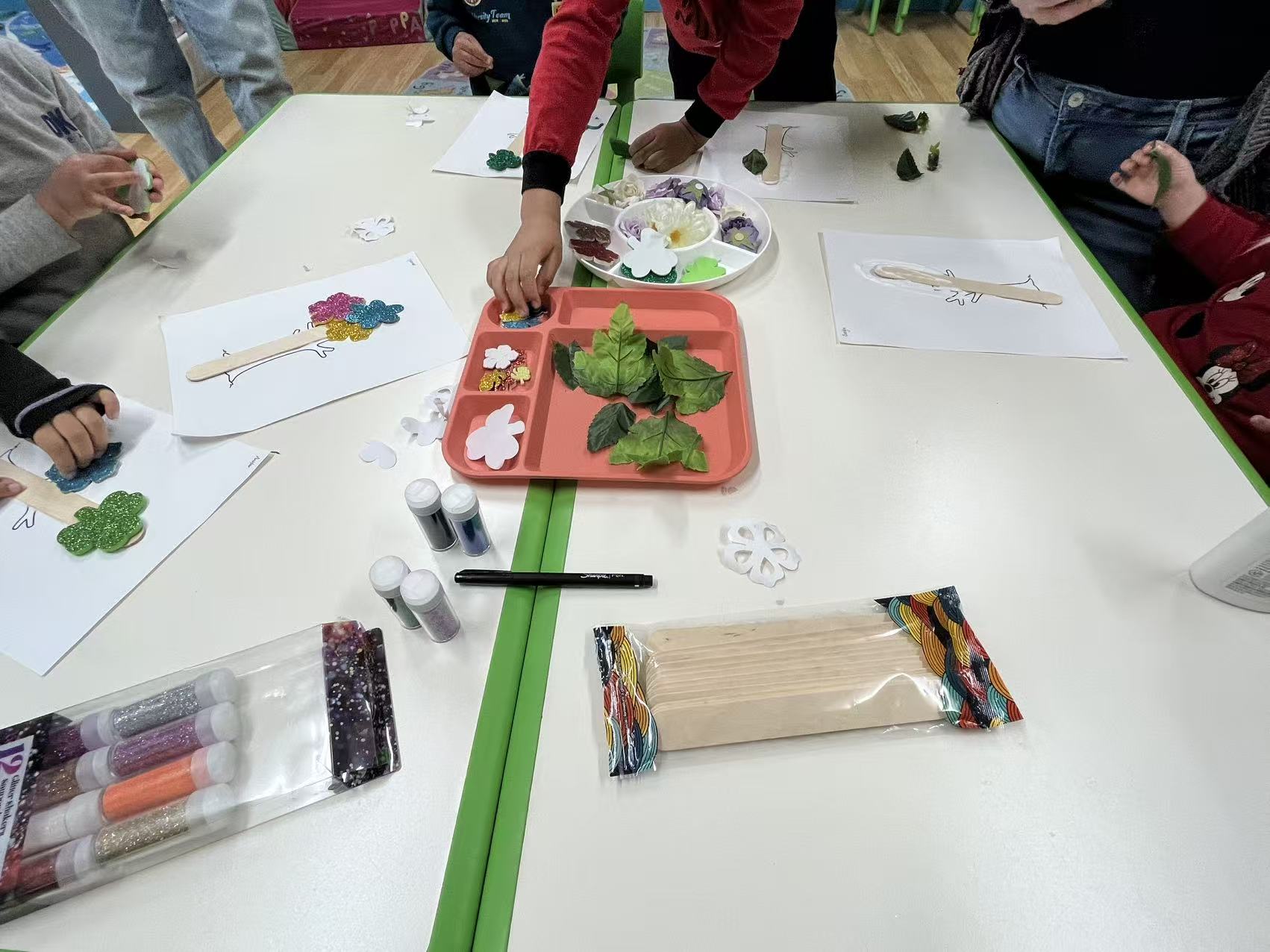
As trees gradually became the focus of our discussions, I began preparing an activity about “creating trees.” I printed tree shapes and prepared some materials, such as leaves, small wooden pieces, green flowers, and daisies. At first, my idea was quite simple: since the children were talking about trees, I would provide tree-related materials for them to create with.
However, after preparing the activity, I started to reflect. Although the activity was related to our theme, was it truly based on the children’s ideas, or was it mainly based on my own understanding? I realized that if I moved too quickly into implementing the activity, the detailed ideas that the children had expressed earlier might not yet have fully entered the activity.
Therefore, I intentionally slowed myself down and did not start the activity immediately. Instead, during the following drawing ritual and conversations, I continued listening to the children. I asked more open and curious questions, such as: “What do you think these strong trees might look like?” This question helped me hear the children’s ideas about trees more clearly.
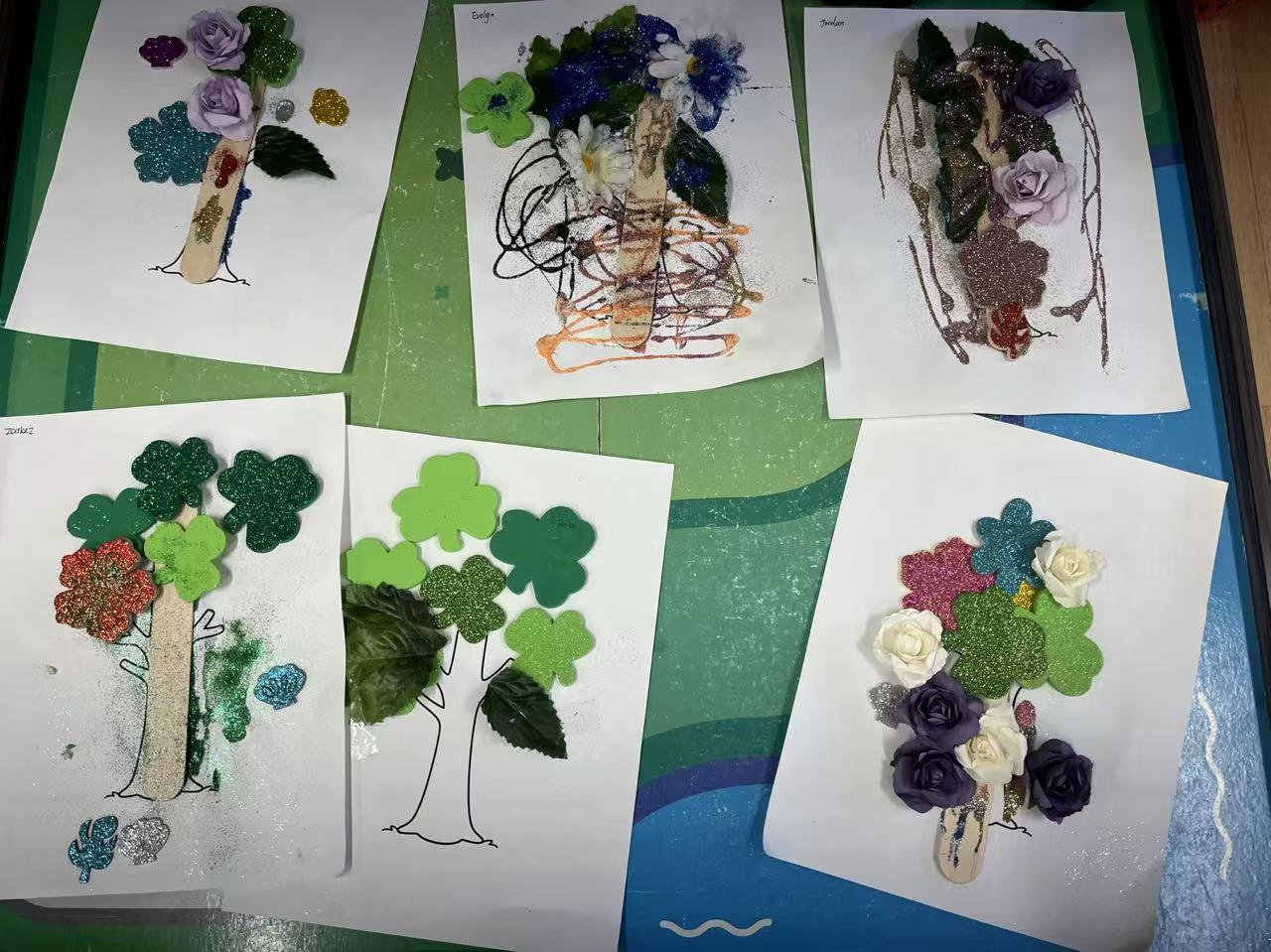
The children’s responses were very rich. Some children said strong trees would be very tall, others said they would have many leaves, and some said the trees near strong animals must be beautiful and very eye-catching. The children also continued expressing these ideas in their drawings, creating trees in different colours that looked less like ordinary trees in nature and more like something special.
This process made me realize that what truly mattered was not that “I had already prepared a tree activity,” but whether I was willing to wait a little longer and continue listening to what the children were thinking. BCELF describes educators as researchers and collaborators. This means that educators should not decide everything first and then deliver it to children, but instead should continue observing, listening, experimenting, and remaining open to unexpected directions. For me, slowing down in this moment allowed me to gain more insight into the children’s ideas.
3. Adjusting Materials Based on Children’s Theories
After hearing more of the children’s descriptions about trees, I reconsidered the materials I had originally prepared. I realized that my initial materials still reflected my own assumptions: leaves, wooden pieces, and green flowers, which resembled what I personally thought of as trees. However, the strong trees imagined by the children were not just green, natural, and ordinary. They described them as beautiful, eye-catching, rich, and special, suggesting that they were giving the trees more visual and emotional meaning.
Therefore, I adjusted the activity based on their ideas. I added different colours of glitter, larger leaves, and more varieties of flowers. For me, this step was not simply about adding more materials. As the BC ELF states: “Children and adults live and learn in relationships with the people around them but are also profoundly affected by their relationships with spaces and materials.” (p.22)
When the children talked about “beautiful trees” and “eye-catching trees,” it helped me realize that the materials should respond to this sense of visual richness and expression. Materials are not simply accessories to an activity; they can directly influence whether children’s theories can continue to develop. I tried to follow the children’s curiosity and interests, and adjusted the activity accordingly to support their further exploration.
4. A Gentle Introduction to Support Children’s Engagement
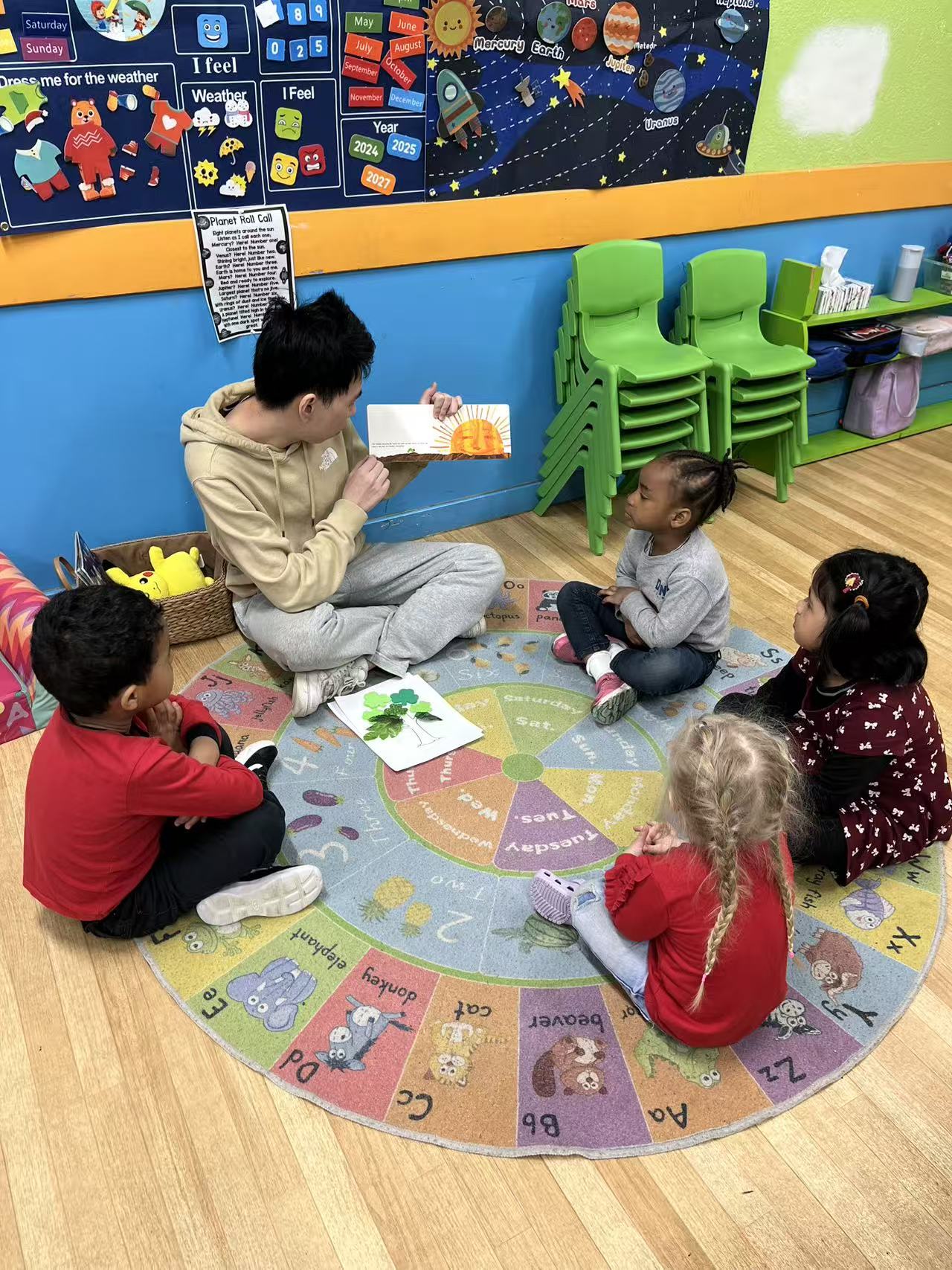
On the day of the activity, I used the book The Very Hungry Caterpillar as an introduction. While reading the story, I tried to connect parts of the story with the materials I had prepared. For example, when the story mentioned elements from nature, I invited the children to touch the leaves and flowers.
I hoped that this approach would provide children with an entry point into the activity while still keeping it open-ended. As the BC ELF states: “Different materials (such as toys, objects, art supplies) that children encounter invite different kinds of participation and engagement.” (p.23)
My goal was not to tell the children how they should use the materials, but rather to allow them to gradually become interested in the materials through storytelling, touching, and observing, so that they could explore them in their own ways.
5. Extending Thinking Through the Environment
After the activity, I continued reflecting. As a practicum student, I may not be able to make major changes to the classroom environment, but that does not mean I cannot contribute to shaping the environment in meaningful ways.
I realized that the learning experience did not have to end when the children finished their creations. Instead, the environment could continue to support their thinking. Therefore, I decided to leave the children’s tree creations displayed together on the table rather than putting them away immediately.
I hoped that when the children passed by the table again, they would be able to see each other’s work, compare different ideas, and generate new connections and discussions. They might notice who used larger leaves, who created a more eye-catching tree, or whose tree looked more “strong.” These moments of revisiting could bring them back to their earlier ideas or inspire new ones.
As the BC ELF states, “Environments are integral to well-being and learning.” (p.22) The environment is not simply a background; it is part of the learning process. The arrangement of space, materials, and time can influence how children continue thinking. Leaving the creations on the table also extends the learning experience beyond the moment of the activity, allowing children to revisit, reflect, and continue discussing their ideas.
6. Children Bringing Their Ideas of “Strong” into Everyday Life
As I continued observing the children’s daily interactions, I began to notice that the children were bringing their ideas about “strong” into their everyday behaviours, rather than limiting them to stories or activities.
During one outdoor walk, I saw Jordan and Zahkez holding hands while walking together. Jordan deliberately walked on the side closer to the road and placed Zahkez on the inside. When I noticed this and looked at Jordan, he told me that he was protecting Zahkez because he was more strong. This moment showed me that the children’s understanding of concepts does not only develop during activities. Instead, their ideas continue to grow through everyday interactions, relationships, and experiences.